


The BPA Plastic Ban: What It Means for Food Packaging and Hospitality Businesses
If you've been keeping an eye on developments in food packaging, you've probably heard about the BPA plastic ban. But what exactly is BPA, why is it being phased out, and what does it mean for businesses in the foodservice and hospitality industry?
Whether you're running a café, takeaway, restaurant or catering business, understanding the changes can help you make informed choices about the packaging and reusable products you use now and in the future.
What Is BPA?
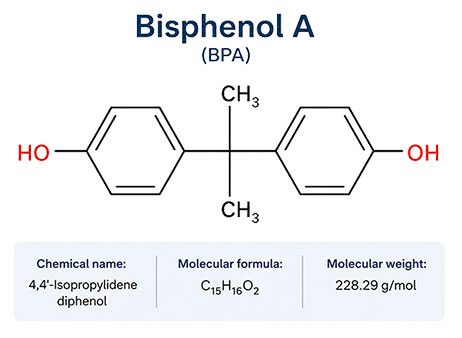
BPA, or Bisphenol A, is an industrial chemical that's been used for decades in the manufacture of certain plastics and protective resin coatings.
You won't usually find BPA in packaging itself, but it has commonly been used to produce materials such as:
- Food and drink can linings
- Some reusable plastic containers
- Polycarbonate tableware and drinkware
- Bottle caps and closures
- Protective coatings
- Certain food packaging materials
These materials have been valued for their durability, strength and ability to help extend the shelf life of food and drink products.
Why Is BPA Being Banned?
Over recent years, scientists and food safety authorities have carried out extensive research into BPA and its potential impact on human health.
The concern is that very small amounts of BPA can migrate from food contact materials into food and drink over time. While exposure is typically low, ongoing research has linked long-term exposure to possible effects on the body's hormone (endocrine) system, prompting regulators to introduce tighter controls.
As a result, BPA will be banned for many food contact applications in the EU from 20 July 2026. A ban is also in the pipeline for the UK, although the timeline is now separate from the EU's. Following consultation, the UK is developing its own approach and timescales, which are yet to be confirmed.
What Does This Mean for UK Businesses?
The answer depends on where your products are sold.
If your business supplies food packaging or products into the EU or Northern Ireland, you'll need to ensure they comply with the latest EU BPA regulations and the relevant compliance deadlines.
For businesses operating solely within Great Britain, the current legal position remains unchanged for now, although UK legislation is expected to follow in due course. With the timetable still to be confirmed, it's worth keeping an eye on future updates and considering BPA-free alternatives when purchasing new products.
Many manufacturers have already begun transitioning away from BPA, meaning an increasing number of food packaging and reusable products are now available in BPA-free materials.
Does BPA Affect All Food Packaging?
No, and this is one of the biggest misconceptions.
Not every food container, reusable cup or piece of plastic packaging contains BPA.
Many products have never contained the chemical, while others have already been redesigned using alternative materials that provide the same durability and performance without relying on Bisphenol A.
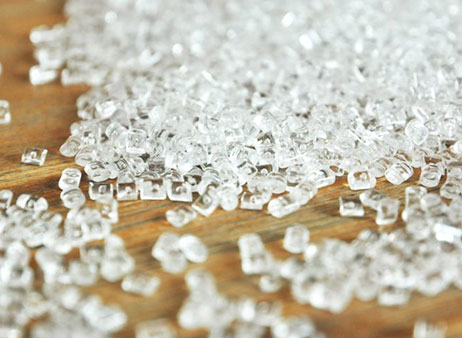
One of the most widely recognised materials is polycarbonate. For many years, polycarbonate has been the go-to choice for reusable catering products thanks to its exceptional strength, crystal-clear appearance and resistance to breakage. It's commonly used for reusable tumblers, jugs, serving bowls and food storage products, particularly in busy hospitality, education and healthcare environments.
However, traditional polycarbonate is manufactured using BPA, which is why many manufacturers are now introducing new BPA-free alternatives for future product ranges.
What Are the Best BPA-Free Alternatives?
As the industry moves away from BPA, manufacturers have been developing new materials that offer the same practicality without the use of Bisphenol A.
One of the leading alternatives is copolyester.
Copolyester has quickly become a popular replacement because it offers many of the same benefits as polycarbonate, including:
- Crystal-clear appearance
- Excellent durability and impact resistance
- Lightweight construction
- Dishwasher-safe performance
- Long-lasting everyday use
- BPA-free composition
For hospitality businesses, this means you can continue choosing durable reusable products without compromising on performance or presentation.
What Is BPA-Free Packaging?
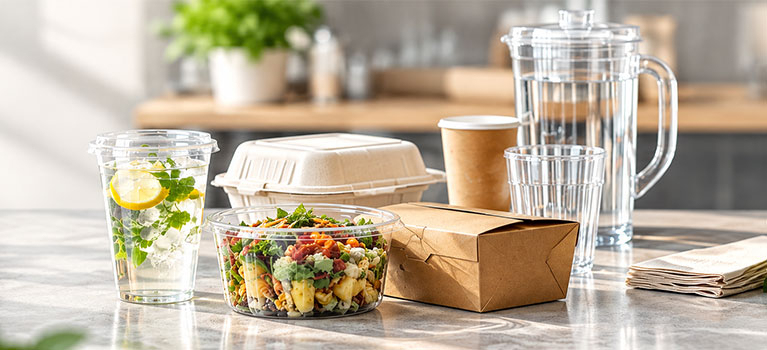
As the name suggests, BPA-free packaging and tableware are manufactured without using Bisphenol A (BPA) in the materials or coatings that come into contact with food. This includes a wide range of foodservice essentials, such as Kraft Boxes, Bagasse Boxes, Paper Cups, and Disposable Glasses, making it easy to choose safer packaging across your entire takeaway or catering operation.
Choosing BPA-free products can offer several benefits, including:
- Supporting evolving food safety standards
- Helping future-proof your business as regulations develop
- Providing reassurance for customers
- Demonstrating a commitment to responsible product choices
- Maintaining the durability and practicality required for busy commercial environments
As more manufacturers adopt BPA-free materials, making the switch has never been easier.
Should Hospitality Businesses Be Concerned?
For most cafés, restaurants, pubs and catering businesses, there's no need to panic.
Many suppliers have already introduced BPA-free alternatives across their product ranges, meaning businesses can continue purchasing food containers, reusable tableware and storage solutions with confidence.
The most important step is to buy from reputable suppliers who can provide clear product information and ensure their products comply with the latest food contact regulations.
If you're replacing reusable tableware or drinkware, it's worth looking for BPA-free materials such as copolyester when selecting new products, helping your business stay ahead of future regulatory changes.
Looking Ahead
Packaging legislation continues to evolve as new research becomes available, and BPA is just one example of how the industry is adapting to improve food safety and meet changing regulatory requirements.
While businesses supplying the EU and Northern Ireland will need to comply with the latest rules from July 2026, those operating within Great Britain should continue to monitor developments as the UK works towards its own legislation and confirms the final timetable.
The good news is that manufacturers are already responding by introducing innovative BPA-free materials that deliver the same durability, clarity and performance that hospitality businesses rely on every day.
By understanding the changes now and choosing BPA-free alternatives where appropriate, businesses can continue serving customers with confidence while preparing for the future of food-safe packaging and reusable tableware.